Trezor.io/start: Begin Your Crypto Journey Safely
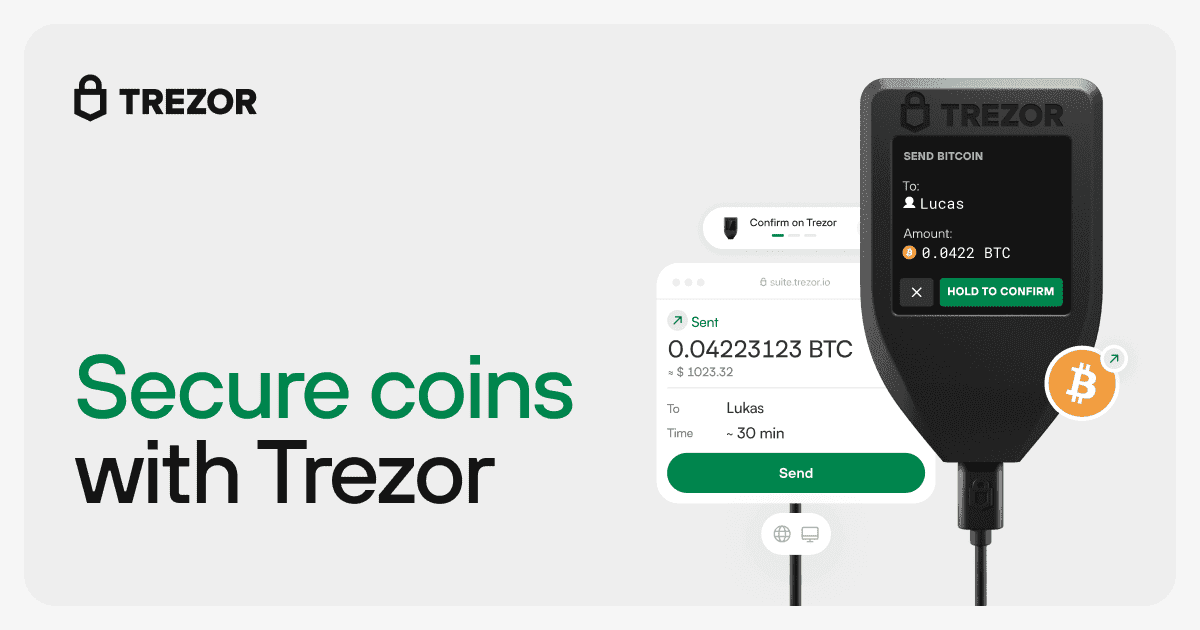
A Trezor hardware wallet is one of the most secure ways to store cryptocurrencies. Unlike software wallets or exchange accounts, Trezor keeps your private keys offline, protecting them from hacks, malware, and phishing attempts. The official Trezor.io/start page is your entry point to safely initialize your device, configure your wallet, and begin managing digital assets with confidence.
Understanding Trezor
Trezor is a small, physical device designed to store crypto assets offline. It supports a wide range of cryptocurrencies, from Bitcoin and Ethereum to popular altcoins. By keeping private keys offline, Trezor ensures that your funds remain safe, even if your computer or mobile device is compromised.
Why Start at Trezor.io/start?
Starting at Trezor.io/start guarantees you are accessing official setup instructions and software. The page provides:
Steps to initialize your Trezor device
Official downloads for Trezor Suite
Guidance on creating a recovery seed and secure PIN
Security best practices to protect your wallet from scams
Following official instructions reduces the risk of phishing and unauthorized access.
Step 1: Connect Your Trezor
Remove the Trezor device from its packaging.
Connect it to your computer using the provided USB cable.
Wait for the device to display the welcome screen.
Tip: Always use the original USB cable to avoid security risks.
Step 2: Install Trezor Suite
Trezor Suite is the official platform for managing your cryptocurrencies.
Follow the instructions on Trezor.io/start to download the app.
Install it on your computer or mobile device.
Launch the app to start the wallet setup.
Tip: Only download Trezor Suite via official instructions to prevent phishing.
Step 3: Initialize Your Wallet
Create a New Wallet
Choose Create New Wallet on the device.
Trezor generates a recovery seed (12–24 words).
Write the words down carefully and store them offline.
This recovery seed is the only way to restore your wallet if the device is lost or damaged. Never store it digitally or share it.
Recover an Existing Wallet
Select Recover Wallet if you have an existing recovery seed.
Enter your seed words in the correct order to regain access to your assets.
Step 4: Set a PIN
Create a secure PIN for your wallet.
The PIN adds an extra layer of protection if your device is lost or stolen.
Avoid simple or easily guessable numbers.
Tip: Memorize your PIN and avoid writing it down digitally.
Step 5: Access Trezor Suite
Once initialized:
Open Trezor Suite and ensure your device is recognized.
Add supported cryptocurrencies to your wallet.
Begin sending, receiving, and managing your crypto securely.
Security Tips
Keep your recovery seed offline and in a safe place.
Verify your device’s authenticity by checking tamper-proof seals.
Use a passphrase for additional security if desired.
Update your firmware regularly to protect against vulnerabilities.
Avoid logging in through unofficial websites or apps.
Troubleshooting Common Issues
Device not recognized: Check the USB connection or try a different port.
Firmware update needed: Follow Trezor Suite prompts carefully.
Recovery seed errors: Ensure correct spelling and order of words.
App not loading: Restart your device or reinstall Trezor Suite.
Advantages of Using Trezor
Cold storage ensures offline protection of private keys.
Supports multiple cryptocurrencies in one device.
PIN and recovery seed enhance wallet security.
Works seamlessly with Trezor Suite for asset management.
Reduces exposure to online hacks, malware, and phishing scams.
Conclusion
Starting your Trezor wallet via Trezor.io/start provides a safe, structured, and secure way to manage cryptocurrencies. By following these steps—connecting your device, installing Trezor Suite, creating a recovery seed, setting a PIN, and following security best practices—you can protect your digital assets and confidently explore the world of crypto trading and storage. Trezor’s combination of security, flexibility, and usability makes it an ideal choice for both new and experienced users.